
The Hunter’s Choice: CheyTac’s Paladin And SAPP Hunting Rifles
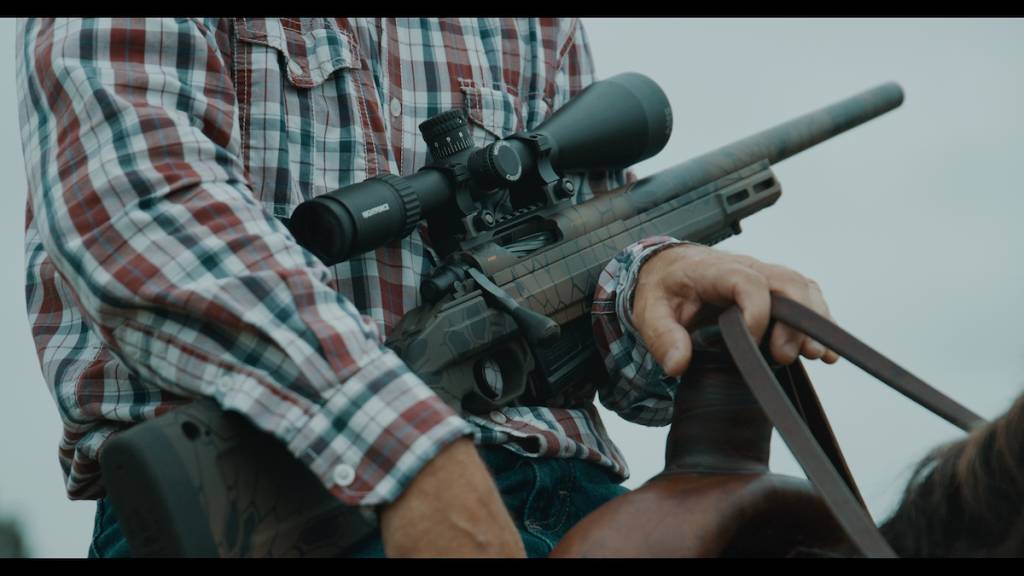
CheyTac built its reputation on rifles that perform at distances most shooters will never attempt. At those ranges, precision can mean the difference between a sub-MOA grouping and one way off target. But precision isn’t limited by distance, as anyone who has gone through a multi-day hunting trip only to miss their one chance at a takedown shot can tell you.
A hunting rifle occupies a similar, but distinct, role from a bench rifle or a dedicated competition setup. Given the stress placed on the platform by environmental factors and the limits of a hunter’s carrying capacity, hunting rifles require more durable, lightweight construction than their more stationary counterparts.
What Hunters Actually Need From A Hunting Rifle
Hunting means long miles through unpredictable weather punctuated by hours of waiting and short bursts of action (if you’re lucky). The hunting rifle needs to hold up through it all without getting in the way. Most of the important requirements show up long before you ever settle into a stable position and start thinking about your dope.
Weight Concerns
A competition rifle can afford to be heavy because stability is part of the job, and the rifle usually doesn’t travel far past the parking lot. A hunting rifle, on the other hand, has to be lugged around from the first step of the day to the last climb back to the truck.
Seemingly inconsequential details like barrel length and contour matter in a way that feels very personal once you’ve been hiking with a pack for hours. Lighter contours like sporter and sendero profiles and carbon fiber barrel options can make a major difference when you’re moving through timber or picking your way across uneven ground.
For a hunting rifle, the trick is finding the ideal balance between weight reduction and platform operability. That means shedding as much carry weight as possible while keeping the rifle accurate and consistent enough to make precise shots when you finally find your target.
Trigger Pull Weight
A hunting trigger has different priorities than a competition trigger. In the field, a feather-light break can feel like a liability, especially when you’re wearing gloves and your hands are cold.
Hunters tend to want a deliberate, predictable break that feels the same every time. That consistency enables a practiced shot that helps you maintain an optimal firing position.
Adjustable hunting triggers come in single-stage or two-stage configurations, with straight or curved shoe options. These let a hunter set the rifle up for a pull weight that feels most comfortable, rather than chasing the lightest possible action.
That adjustability personalizes the rifle for the shooter’s personal preferences. While some hunters like a nice, easy single-stage pull, others prefer the time afforded by a second stage for last-second adjustments.
Portability
While overall weight and length contribute to portability, that isn’t the end of the story. Snagging on brush or even the hunter’s clothes may seem like a minor annoyance at first, but can turn into a major nightmare as the day wears on.
This is the advantage of a floor plate or internal box magazine option for hunting platforms. Without a protruding detachable magazine, the rifle stays streamlined, which helps the hunter move more easily without constantly adjusting the rifle’s carry position.
These configurations do come with drawbacks, the main being a lower ammo capacity than detachable magazines. Each hunting trip is different, so hunters should weigh the cost of each configuration before choosing their setup.
Build Flexibility
Hunters don’t all hunt the same way, even when they’re chasing the same animal. There are passive and active hunting styles, and the same rifle may be called on to perform for both.
Build flexibility options allows for that multipurpose role. Configurable barrel lengths, for example, let a hunter choose a handier setup for thick cover or a longer option when they want more velocity and a steadier feel from field positions.
Stock choice similarly affects how the rifle carries and behaves in changing weather. Carbon fiber, wood, and polymer are the most common types, and each has their own advantages and trade-offs. The option that works best for you depends on how you hunt and handle your weapon.
Modern hunting also continues to move toward suppressor use for recoil management and hearing protection, so suppressor-ready threading is increasingly part of a practical build. A standard 5/8×24 TPI setup, paired with a custom thread protector, gives you the options to add on a suppressor whenever you’re ready to modernize your loadout.
Rather than build their hunting platform piecemeal, many hunters, regardless of experience level, would prefer a prebuilt system designed to work together. This is where CheyTac’s line of hunting rifles shines.
The SAPP And Paladin
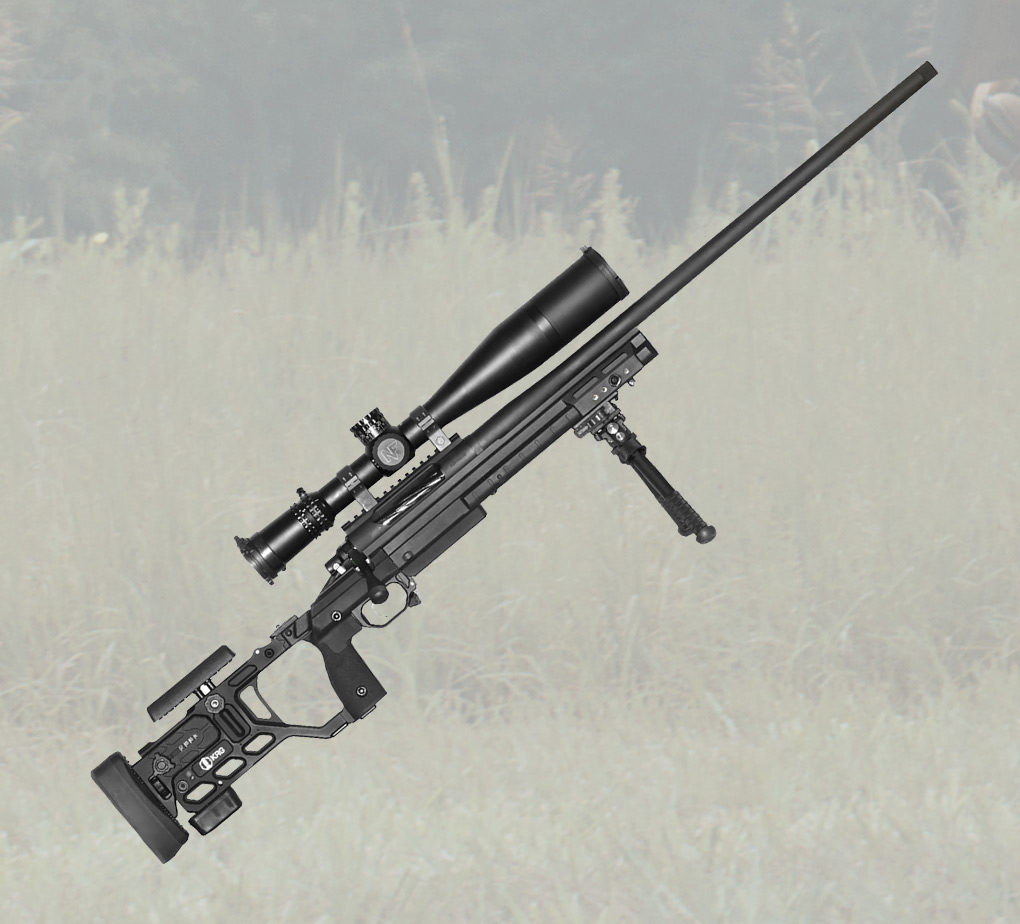
The SAPP and Paladin share the same design intent and customization approach, but differ in action length, which determines the cartridge families available to each. The core idea stays consistent across both platforms, with the action length matching the chamberings hunters want to run.
SAPP: Short Action Precision Platform
The SAPP is our short-action hunting rifle build, designed for hard treks in the field. It uses the CheyTac Short Action with a 20 MOA base, rated for an effective range of 1200+ yards, depending on the chambering.
The SAPP comes in at 15 pounds, and you can manage its carry and balance with stainless steel or carbon fiber barrels in 20-inch to 26.5-inch lengths. The varied barrel lengths and materials allow for greater versatility, letting you build the rifle for either active or passive hunting.
Chassis options include the lighter-weight MDT XRS, which features an aluminum core with polymer paneling, and the MDT ACC Elite, which is fully aluminum. Each option is compatible with a carbon-fiber stock available on request, so the rifle can be configured to suit comfort, stability, and weight preferences rather than forcing a single “standard” feel on everyone.
The SAPP trigger system is also fully adjustable for rifle personalization. It runs the Timney Elite Hunter trigger with a top safety and an adjustable pull weight from 1.5 to 4 pounds, making the break deliberate and safe even in frigid conditions that require thick gloves.
The SAPP comes standard with a five-round detachable box magazine. If you prefer the lower profile of an internal box magazine, the rifle can be configured with a floor plate configuration instead. The rifle comes with a custom 5/8×24 TPI thread protector and a Picatinny rail that supports an optional bipod.
The SAPP is built around short-action calibers that cover the majority of North American hunting. The rifle can chamber .308 Winchester, 6.5 Creedmoor, .243 Winchester, .25 Creedmoor, 6 Dasher, and 6 Creedmoor, giving it coverage from lighter game and predators up through common deer and antelope work.
Paladin: Long Action For Heavier Targets
Where the SAPP finds its stride in the middle ranges, the Paladin handles long-action cartridges that fit the classic big-game profile. The rifle is chambered in .300 Win Mag, 7mm Rem Mag, 6.5×284 Norma, 7 PRC, and .30-06 Springfield, all of which speak directly to hunters who want more reach, more energy, or both.
Like the SAPP, the Paladin is a 15-pound hunting rifle that you can tune to your style through barrel and chassis choices rather than forcing you into a single “factory” configuration. You can choose stainless steel or carbon fiber barrels in 20-inch to 26.5-inch lengths, and pair them with either the MDT XRS or MDT ACC Elite chassis, with carbon fiber stock available on request if weight and weather resistance are priorities.
The Paladin acts as the SAPP’s larger, more powerful older brother, offering a stronger punch but in a very similar package. Much like the SAPP, the Paladin comes with an adjustable Timney Elite Hunter trigger, offers both external detachable mag and internal mag box setups, and the custom 5/8×24 TPI thread protector and picatinny rail system.
The Paladin’s finish and included kit add the small details that make a premium rifle feel complete upon receipt. You get Cerakote options like Armor Black, Flat Dark Earth, and O.D. Green, plus a custom case and one magazine included.
A Hunting Rifle Built Around The Mission
CheyTac made its name building rifles for people who shoot at distances where there’s no room for mechanical error. The SAPP and Paladin take that same standard and put it in a package ready to be carried into the backcountry.
If you already know what you want in a hunting rifle, both platforms can be built to your specs: barrel length, contour, chassis, trigger weight, magazine configuration, all of it. If you’d rather skip the decision-making and get something ready to hunt out of the case, CheyTac also builds complete packages with optics, bipod, and suppressor already fitted and configured.
Either way, you’re getting a rifle designed around hunting from the start, rather than a competition build with a few concessions for the field. If you’re interested in seeing what’s next for CheyTac’s line of precision weaponry, follow us here!
FAQs
CheyTac builds the SAPP and Paladin on the same hunting-rifle concept, but uses different action lengths to match different cartridge families. The SAPP uses the CheyTac Short Action with a 20 MOA base and focuses on short-action chamberings, while the Paladin uses the CheyTac Long Action with a 20 MOA base and supports long-action chamberings for hunters who want a broader big-game cartridge envelope.
CheyTac configures hunting builds around real field carry and handling, including shorter barrel length options, lighter contours like sporter and sendero profiles, and stainless steel or carbon fiber barrel choices. Hunters also tend to run more deliberate trigger settings for safety and consistency, and many prefer configurations like a floor plate or internal box magazine to keep the rifle streamlined when moving through brush.
Yes, hunters can order a rifle built to spec or request a full package that includes key components like optics, a bipod, and a suppressor-ready setup. Both platforms ship with a custom 5/8×24 TPI thread protector, and they support practical add-ons like a Picatinny rail for an optional bipod.
