
Paladin Long Action Rifle: Built for Extreme Precision
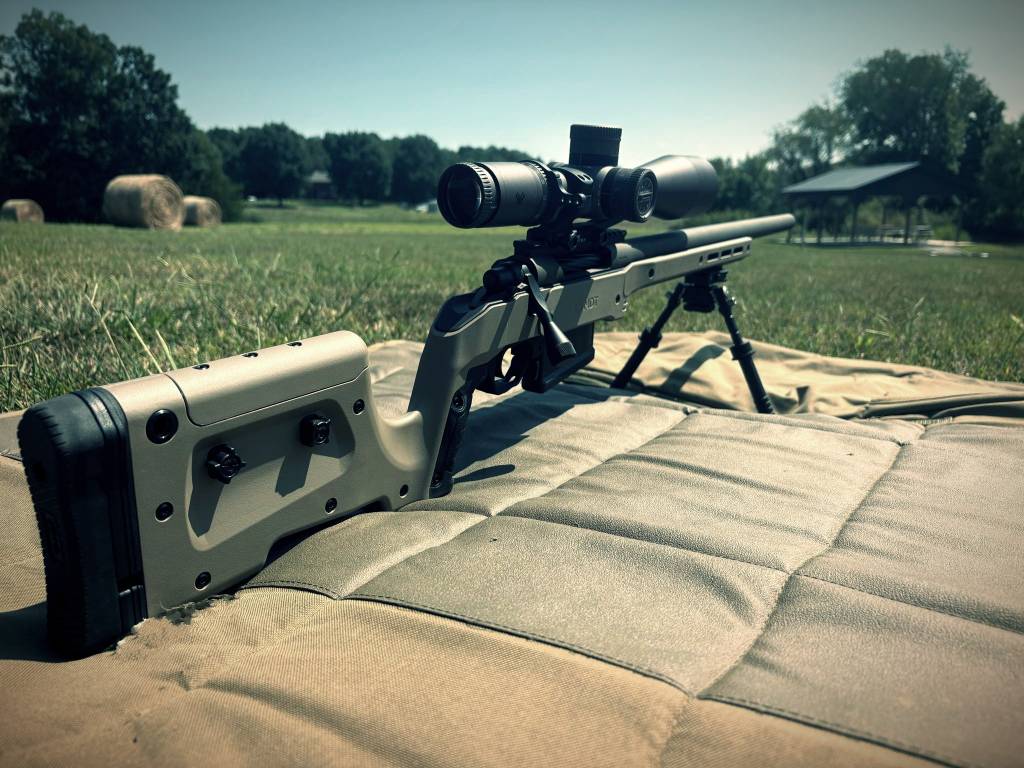
Last time, we covered our SAPP rifle and the relative strengths of the short-action platform. The Paladin is the SAPP’s long-action cousin, and bridges the gap between our smaller rifles, like the CT10 and 15, and our larger line of ELRs like the M200 Intervention® and M300 Praetorian.
Where the SAPP is built around efficient, moderate-recoil chamberings for medium- to long-range work, the Paladin steps into the territory where larger cartridges become necessary. Long-action rounds work for situations where terminal energy matters as much as accuracy, as in the case of hunting larger game in more open field conditions.
Long-action rifles give you access to cartridges that were specifically designed to carry lethal energy over a longer distance. The larger powder loads and heavier bullets retain velocity longer and are the standard choice for large game and extended-distance precision work.
The Paladin is built to order, so you choose the caliber, barrel, chassis, and finish, and the rifle arrives configured for your intended use. It comes standard with a Timney Elite Hunter trigger with a top safety, adjustable from 1.5 to 4 pounds.
The rifle is rated for up to 1,500 yards, which puts the Paladin a step above the SAPP, while remaining more restrained than CheyTac’s dedicated ELR systems. It brings the company’s precision manufacturing standards into a versatile long-action format.
Long Vs. Short Action
The Paladin and SAPP are nearly identical rifles, with the major difference being their action length. The Paladin is the long-action option, while the SAPP is built around short-action cartridges that use a shorter receiver and bolt cycle.
The long action rifle is designed to accept longer, more powerful cartridges than the short action. The bolt has to travel farther to cycle, which means a slightly slower follow-up shot compared to the SAPP.
In practice, the difference is measured in fractions of a second and rarely matters in the types of shooting the Paladin is built for. You’re generally placing a single, deliberate shot rather than running a fast string.
What you get in return is access to much more powerful cartridges than the short action can accommodate. Rounds like the .300 Win Mag and 7mm Rem Mag carry substantially more energy downrange than anything in the SAPP’s chambering list, which matters when the target is bigger and/or farther away.
Short-action rifles like the SAPP cover most practical precision use cases with lower recoil and cheaper ammunition. When the distance stretches past 1,000 yards consistently, or the game gets bigger than what a 6.5 Creedmoor can handle, however, the Paladin’s long-action chamberings start earning their keep.
Paladin Chamberings
The Paladin is available in five long-action chamberings: .300 Win Mag, 7mm Rem Mag, 6.5×284 Norma, 7 PRC, and .30-06 Springfield. Each one serves a distinct purpose, and the selection covers the full range of needs for long-action shooters.
The .300 Win Mag is the big-game standard. It’s been dropping game as large as adult moose for over sixty years, and it remains one of the most popular magnum cartridges in the world. Factory ammunition is widely available, and the cartridge’s reputation in the field is as proven as it gets.
The 7mm Rem Mag occupies similar territory with a slightly different approach. It shoots flatter than the .300 Win Mag with noticeably less recoil, while still delivering enough energy for large game at extended distances. For shooters who want magnum performance without the full magnum kick, the 7mm Rem Mag has been the answer since 1962.
The .30-06 Springfield has been in continuous use since 1906, and for good reason. The round combines manageable recoil with enough power to take down anything from whitetail to adult moose. It doesn’t have the reach of the .300 Win Mag or the flat trajectory of the 7mm Rem Mag, but it does everything well enough that generations of hunters have never felt the need to switch.
The 7 PRC is the newest cartridge on the list and represents the modern approach to long-action design. It was built from the ground up for long-range precision, using a case geometry optimized for heavy, high-BC bullets. For shooters who want contemporary ballistic engineering in a hunting and precision cartridge, the 7 PRC is the most purpose-built option in the Paladin’s lineup.
The 6.5×284 Norma sits in an interesting spot between the precision world and the hunting world. It has a strong reputation in competitive shooting for its consistency and efficient case design, and it translates well to field use for shooters who appreciate the ballistic efficiency that kind of design brings to a hunting rifle.
Barrel Length, Material, And Field Use
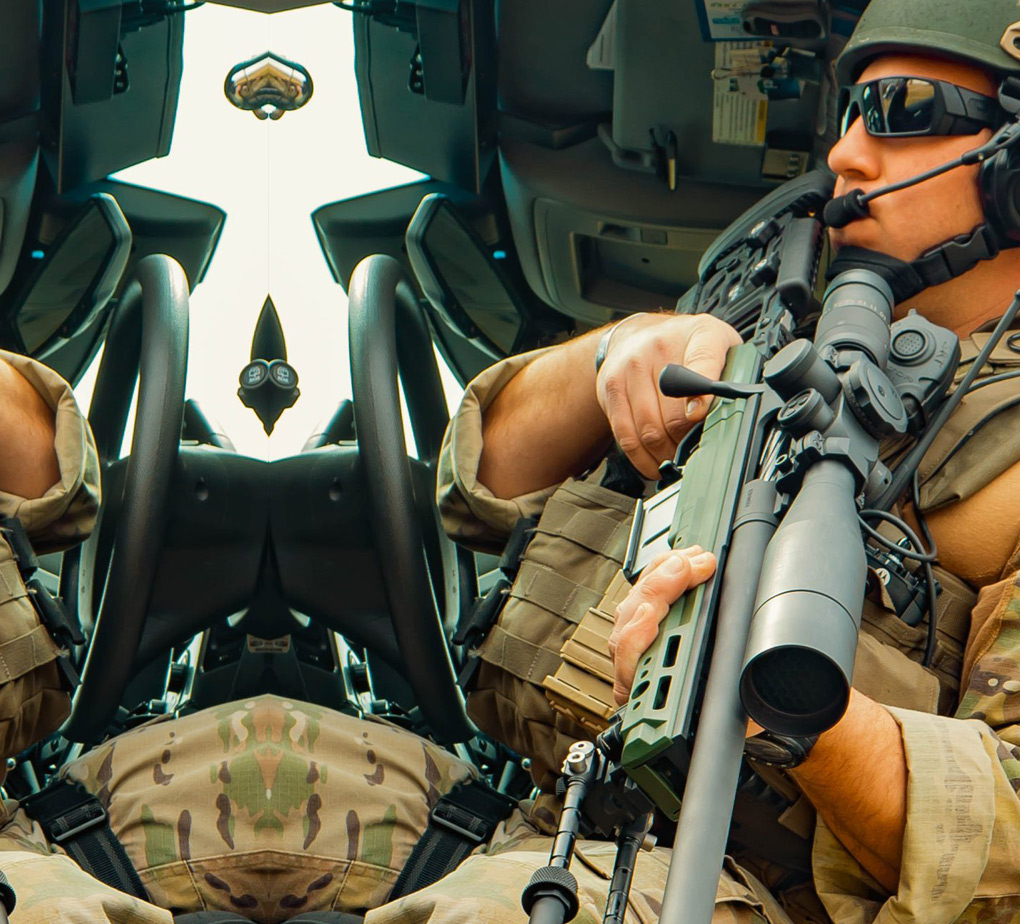
The Paladin can be outfitted with either stainless steel or carbon fiber barrels. Barrel lengths are dependent on chambering, so you’ll range from 22 inches with .30-06 Springfield to 26.5 inches with Norma, Win, and Rem mag.
For the Paladin’s magnum chamberings, barrel length carries a bit more weight than it does on the SAPP. Cartridges like the .300 Win Mag and 7mm Rem Mag use larger powder charges with slower burn rates, which means they benefit more from additional barrel length.
Barrel material comes down to weight and heat management. Stainless steel is the standard, providing durability and classic performance but adding significant weight. Carbon fiber barrels feature a steel-lined bore wrapped in carbon fiber, making them lighter and stiffer for a given weight.
Carbon fiber barrels also handle heat better than solid stainless, which can matter during extended shooting sessions. The tradeoff is cost, as carbon fiber barrels usually come at a premium. For the Paladin, the carbon fiber barrel you can select as an extra comes in at $300 more than the standard steel.
Chassis Options
You can choose between two chassis types for the Paladin: the MDT XRS and MDT ACC Elite. The choice comes down to how you plan to use the rifle and how much weight you’re willing to carry.
The MDT XRS uses an aluminum core with polymer paneling. The polymer reduces overall weight and keeps the chassis comfortable in extreme temperatures (you don’t want a pure metal chassis touching you in deep winter). If the Paladin is going to spend long days on your shoulder in the backcountry, the XRS is the more practical choice.
The MDT ACC Elite is fully aluminum, which makes it heavier and stiffer than the XRS. That added weight and rigidity help stabilize the rifle during shooting, which benefits precision work from fixed positions. If you’re shooting from a blind, a bench, or a competition stage, the ACC Elite’s extra mass works in your favor.
Both chassis types come with a built-in Picatinny rail for mounting a bipod in prone or seated shooting positions. We recommend and offer the Atlas BT46-LW17 bipod for use with the Paladin, thanks to the system’s proven performance in precision shooting and its variable-angle locks that help shooters on uneven terrain.
Who The Paladin Is Built For
The Paladin is built for shooters who need more power over distance than a short-action rifle can deliver, without stepping up to a full ELR system. It’s the rifle for the hunter heading after elk or caribou or the competitive shooter who wants a long-action platform built to CheyTac’s standards.
Like the SAPP, the Paladin is not a beginner’s rifle. It’s a build-to-order platform for shooters who already know what they want and need a rifle configured to match. Also like the SAPP, the Paladin’s strength is in its personalization options, allowing you to choose the chambering, barrel, chassis, and finish, and the rifle arrives purpose-built for how you actually plan to use it.
The Paladin bridges the gap between the smaller, shorter rounds used by the CT line and SAPP and our ELR weapon systems. It’s not the company’s most extreme-distance platform, but it brings the same manufacturing discipline and sub-MOA guarantee into a long-action format built for the distances and applications where a bigger cartridge makes the difference.
FAQs
The Paladin is CheyTac’s long-action bolt rifle, designed for shooters who need the energy and reach of magnum and large-format cartridges. It is chambered in .300 Win Mag, 7mm Rem Mag, 6.5×284 Norma, 7 PRC, and .30-06 Springfield, with an effective range rated at 1,500+ yards.
The Paladin is CheyTac’s long-action platform, while the SAPP is built around short-action cartridges. The Paladin accommodates larger, more powerful chamberings suited for big game and extended-distance precision work, while the SAPP is designed for the efficient short-action cartridges commonly used in competition, hunting, and general precision rifle applications.
The Paladin is built for shooters who need a long-action rifle with CheyTac’s build quality and precision guarantee. It can be configured for big-game hunting, long-range competition, or professional precision work depending on the chambering, barrel, chassis, and accessory choices selected during the build process.
